

Polyaspartic Floor Coating: Pros, Cons & Industrial Uses
High-Performance Polyaspartic Coating Systems for Industrial Flooring: A Technical B2B Perspective
What Is a Polyaspartic Floor Coating?
In the evolving landscape of polymer science, the emergence of polyaspartic resin technology has represented a significant leap forward in surface protection. Originally introduced to the market in the late 1980s as an a specialized aliphatic polyurea technology based on polyaspartic ester chemistry, developed to slow down the extremely fast reaction rate typical of traditional polyurea systems, these materials were engineered to address the limitations of traditional aliphatic urethanes.
The polyaspartic ester is formed through a Michael addition reaction between a primary amine and a dialkyl maleate, producing a sterically hindered secondary amine that reacts with isocyanates at a controlled rate.
For the modern coating manufacturer and technical engineer, it is vital to distinguish between the raw polyaspartic resin—the chemical backbone—and the final applied polyaspartic coating. While early applications focused primarily on the corrosion protection of steel bridges and high-exposure concrete structures, the technology has since matured. Today, it is the premier choice for waterproofing roofs, decks, and high-performance commercial flooring, especially in environments where extreme temperatures and mechanical wear are daily challenges.
The polyaspartic ester is formed through a Michael addition reaction between a primary amine and a dialkyl maleate, producing a sterically hindered secondary amine that reacts with isocyanates at a controlled rate.
Understanding Polyaspartic Floor Coatings
What exactly defines an industrial-grade polyaspartic floor coating? In the B2B and architectural specification sectors, these are recognized as high-performance, two-part systems. Most professional installations Most professional installations utilize a high-penetration epoxy primer or moisture-tolerant epoxy sealer, followed by a high-solids aliphatic polyaspartic topcoat, known for its tenacious bond to concrete substrates, followed by a high-solids aliphatic polyaspartic topcoat.
The fundamental chemistry involves the reaction of an isocyanate with an amine-functionalized resin. This reaction forms a densely cross-linked polymer network that provides a glossy, chemical-resistant finish. Because of this structural integrity, these coatings are increasingly specified for car showrooms, heavy-duty warehouses, and aerospace manufacturing facilities. While epoxy systems dominated previous decades, the industry is seeing a decisive shift toward polyaspartic solutions, driven by their superior return-to-service speeds and environmental resilience.
Strategic Overview: Pros and Cons in the B2B Marketplace
As with any sophisticated flooring technology, a thorough technical evaluation is required before specification. For project managers and facility owners, the decision-making process involves balancing the higher initial material cost against long-term lifecycle benefits such as UV stability and impact resistance. Unlike standard epoxies, a polyaspartic system is an investment in time-efficiency and mechanical longevity.
Let us explore the specific technical advantages and challenges that define this technology for the industrial sector.

The Technical Advantages (Pros)
1. Accelerated Application and Curing Kinetics
The most notable feature of polyaspartic floor coating systems is their remarkable curing speed. This efficiency is rooted in the unique co-polymer chemistry of the resin. The formulation allows for high-build application using professional rollers or brushes, with the polymer network reaching a tack-free state often within 20–60 minutes, depending on catalyst level and ambient temperature.
Furthermore, these systems are typically formulated as high-solids or low-VOC solvent systems. This characteristic drastically shortens the required dry time between successive coats. By utilizing specific catalysts and curing agents, the system achieves full mechanical load capacity within hours rather than days. For a facility manager, this means a project can be completed over a weekend—or even a single shift—minimizing operational downtime and associated revenue loss.
2. Mechanical Integrity and Long-term Durability
The durability of these coatings is a direct result of the high cross-linking density within the cured film. The synergy between the polyurea base and the polyaspartic topcoat creates a finish that is both highly flexible and exceptionally hard. This flexibility allows the coating to absorb substrate vibrations and minor thermal expansions without cracking.
From a technical standpoint, the polyaspartic resin provides a surface with superior resistance to abrasion and mechanical impact. In industrial settings where heavy machinery or forklift traffic is constant, the coating maintains its aesthetic and functional integrity far longer than traditional brittle epoxies. Additionally, its resistance to thermal shock makes it an ideal candidate for cold storage facilities or high-heat manufacturing zones.
3. Chemical Resilience and UV Stability
Chemical exposure is a primary cause of floor failure in industrial environments. Polyaspartic floor coatings are engineered to be highly resistant to a broad spectrum of reagents, including oils, salts, and common industrial cleaners. The aliphatic nature of the polymer ensures that it does not undergo the yellowing or chalking associated with aromatic epoxy resins when exposed to sunlight.
The high-gloss finish is not merely aesthetic; it serves as a non-porous barrier that prevents contaminants from penetrating the substrate. This makes the surface significantly easier to decontaminate and maintain, ensuring that the facility meets health and safety standards over a prolonged service life.
4. Environmental and Sustainable Profile
In the modern regulatory environment, VOC compliance is a top priority for B2B stakeholders. Polyaspartic coatings are inherently more eco-friendly than many legacy systems. Their formulation often eliminates the need for hazardous solvents, significantly reducing the carbon footprint of the application process.
The rapid curing also leads to lower energy consumption during installation, as complex ventilation or heating systems are often unnecessary. Because the coating lasts significantly longer than cheaper alternatives, the total resource consumption over the building’s lifecycle is greatly reduced.
5. Reduced VOC Emissions and Odor Management
Low VOC levels translate directly to a safer working environment. Traditional coatings often release offensive odors that can migrate through HVAC systems, necessitating the total evacuation of a building. Polyaspartic systems minimize this risk, allowing for “occupied space” applications. This is a critical selling point for hospitals, schools, and food-grade facilities where air quality is strictly monitored.
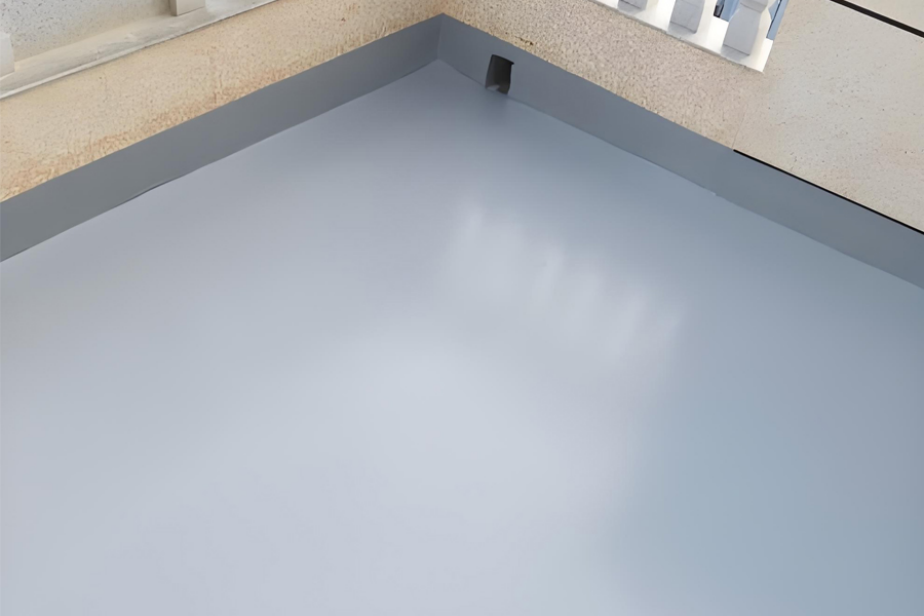
The Technical Challenges and Deterrents (Cons)
While the performance profile of polyaspartic floor coating is exceptional, technical professionals must also account for the specific challenges associated with this chemistry. In a B2B environment, transparency regarding limitations is what builds long-term project trust.
1. Premium Material Investment and Application Precision
From a procurement perspective, polyaspartic systems involve a higher initial capital outlay compared to standard epoxies. This is due to the sophisticated manufacturing process of the polyaspartic resin itself. Furthermore, the application requires a high degree of technical expertise.
Because the material cures so rapidly, the “pot life” or working window is significantly narrower than that of traditional resins. This limits the pool of qualified installers, as the margin for error is slim. For a successful industrial installation, the team must be synchronized to ensure a seamless finish. However, B2B stakeholders should view this higher cost through the lens of a Life-Cycle Cost Analysis (LCCA),where reduced maintenance and longevity often offset the initial premium.
2. Vulnerability to Concentrated Acidic Environments
A critical technical consideration is the coating’s reaction to certain aggressive chemicals. While polyaspartic coatings demonstrate excellent resistance to oils, salts, and many industrial chemicals, prolonged exposure to highly concentrated mineral acids may degrade most organic coating systems, including polyaspartic films. The molecular structure, though densely cross-linked, contains specific nitrogen-based linkages that can be compromised by prolonged exposure to strong acidic compounds.
In facilities like battery manufacturing plants or chemical processing labs, it is imperative to conduct a chemical compatibility test. If the substrate is exposed to acid, and the coating is breached, the acid can penetrate and degrade the concrete beneath. Professional specifiers must ensure that the chemical exposure of the facility aligns with the coating’s resistance profile.
3. Pigment Stabilization and Color Constraints
For many technical applications, color consistency is a key requirement. Historically offered a more limited color palette due to pigment compatibility challenges;
The rapid curing kinetics of the polyaspartic resin make it difficult to stabilize certain organic pigments without affecting the reaction rate.
Adding high loads of pigment can sometimes interfere with the cross-linking process, potentially reducing the film’s final hardness. Consequently, the industry has standardized on a range of high-performance grays and neutral tones. While this ensures a uniform and predictable finish for industrial warehouses, it may be a deterrent for commercial projects requiring high-vibrancy custom branding.
However, modern pigment dispersion technologies now allow polyaspartic coatings to achieve a wide range of industrial and architectural colors.
4. Critical Substrate Moisture Requirements
Moisture is the primary enemy of a successful polyaspartic floor coating installation. High levels of moisture vapor transmission (MVT) from the concrete can interfere with the resin’s ability to anchor to the surface. If the substrate is wet or has high internal humidity, the coating may suffer from osmotic blistering or localized delamination.
Unlike some “moisture-tolerant” epoxies, polyaspartic chemistry is generally less forgiving of damp conditions. Technical teams must perform rigorous moisture testing—using calcium chloride tests or in-situ probes—before application. If moisture issues are detected, they must be mitigated with specialized primers to ensure the long-term integrity of the system.
5. Surface Rheology and Traction Management
In its natural cured state, a high-solids polyaspartic coating is extremely smooth and possesses a high-gloss finish. While this is excellent for light reflectivity and aesthetics, it can create a slip hazard when the floor is wet or contaminated with oils. The lack of inherent surface texture means the coefficient of friction can drop below safety thresholds in certain conditions.
To resolve this, B2B specifiers must incorporate non-slip additives—such as aluminum oxide or glass beads—into the topcoat. Additionally, using a textured roller during the final pass can create a specific profile that enhances traction. Managing this balance between “cleanability” and “slip resistance” is a vital part of the technical design process.
Comparative Analysis: Polyaspartic vs. Conventional Systems
When we evaluate the broader industrial market, the shift toward polyaspartic technology becomes clear. For decades, epoxy was the standard. However, epoxies are prone to “hot tire pick-up,” UV yellowing, and brittle cracking at floor joints due to their low elongation (often <3%).
In contrast, the polyaspartic coating provides often demonstrating 1.5–2 times lower Taber abrasion loss than conventional epoxies, and remains flexible enough to bridge micro-cracks in the concrete. While polyurethanes (PU) offer good performance, they are notoriously sensitive to moisture during the curing phase and often require multiple coats to achieve a meaningful dry film thickness (DFT). Polyaspartics solve these deficiencies by offering high-build properties in a single or double-coat system that is far less sensitive to environmental humidity.
Strategic Selection: When to Specify Polyaspartic Systems
A polyaspartic floor coating is the strategic choice for projects where performance and time are the primary drivers. It is the ideal solution for:
- High-Traffic Logistics Hubs: Where durability against constant forklift traffic is required.
- Cold Storage & Food Processing: Where the coating must cure at low temperatures and resist thermal shock.
- Commercial Showrooms: Where UV stability and long-term gloss retention are essential for brand image.
- Rapid-Turnaround Renovations: Where a facility must return to service within 24 hours to avoid massive production losses.
Technical Conclusion
In summary, the chemistry of polyaspartic resin has provided the industry with a tool that combines the best attributes of polyurea and aliphatic urethanes. By delivering a system that is UV stable, highly abrasion-resistant, and incredibly fast-curing, it addresses the most common failure points of traditional flooring.
For the B2B stakeholder, the value proposition is clear: although the initial investment and technical requirements are higher, the reduction in labor costs, downtime, and future maintenance creates a significantly lower Total Cost of Ownership (TCO). As we move further into the 21st century, polyaspartic technology will continue to be the standard-bearer for high-performance industrial surface protection.
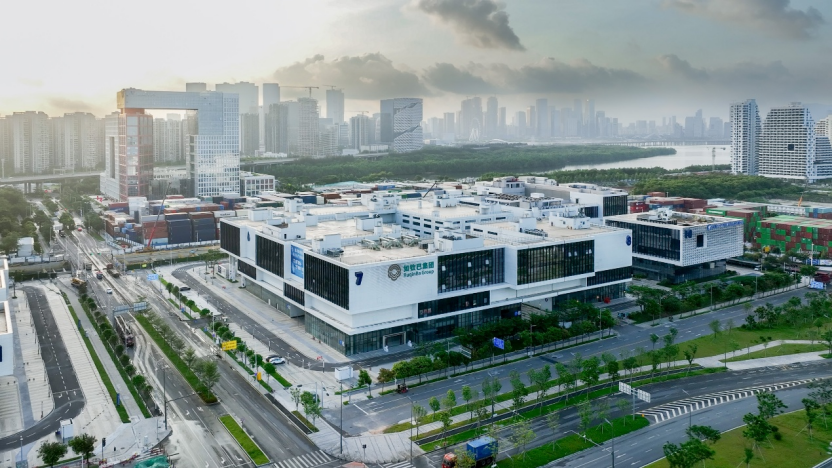
If you are interested in polyaspartic coatings or polyaspartic resin raw materials, please contact us for more information. As a premier manufacturer of polyaspartic resin, Ruqinba possesses extensive application experience. We are committed to independent R&D and in-house production, ranking us among the top-tier polyaspartic resin manufacturers in China.


